.png)
In today’s construction landscape, insulation is no longer just about keeping buildings warm in the winter and cool in the summer. Builders, architects, and property owners are now looking for materials that deliver fire safety, durability, moisture control, and long-term performance all in one solution.
That’s where power wool insulation comes in.
What Is Power Wool Insulation?
Power wool insulation is a type of mineral wool insulation, a dense, fiber-based material made from natural stone and recycled industrial content. These materials are melted at high temperatures and spun into fine fibers, creating a structure that traps air and slows heat transfer.
Unlike traditional insulation options, power wool products are engineered into rigid or semi-rigid boards, making them suitable for demanding applications in residential, commercial, and industrial construction.
Built for Performance Beyond Temperature
What sets power wool apart isn’t just insulation? It’s multi-performance capability.
Fire Resistance You Can Rely On
Power wool is non-combustible, meaning it does not contribute to flame spread or smoke development. This makes it a strong choice for assemblies where fire protection is critical.
Moisture Management & Breathability
One of the biggest challenges in building design is trapped moisture. Power wool is vapor permeable, allowing walls to “breathe” and dry out over time. This helps prevent mold, rot, and long-term structural issues.
Strength and Stability
Unlike softer insulation materials, power wool boards offer higher compression strength. This helps maintain flat, consistent wall systems and improves installation quality over time.
Reliable Thermal Performance
With an R-value around R-4 per inch, power wool supports modern energy codes and contributes to more efficient building envelopes.
Why Builders Are Making the Switch
Traditional insulation materials often force trade-offs. Fiberglass may be cost-effective but lacks durability. Foam products can provide air sealing but may raise concerns around fire performance or environmental impact.
Power wool offers a more balanced solution:
- Consistent thermal performance
- Excellent fire resistance
- Long-term durability
- Improved indoor air quality potential
- Compatibility with modern high-performance wall systems
As building codes become stricter and performance expectations rise, materials like power wool are becoming less of a niche and more of a standard.
Where Power Wool Works Best
Power wool insulation is especially effective in applications where performance really matters:
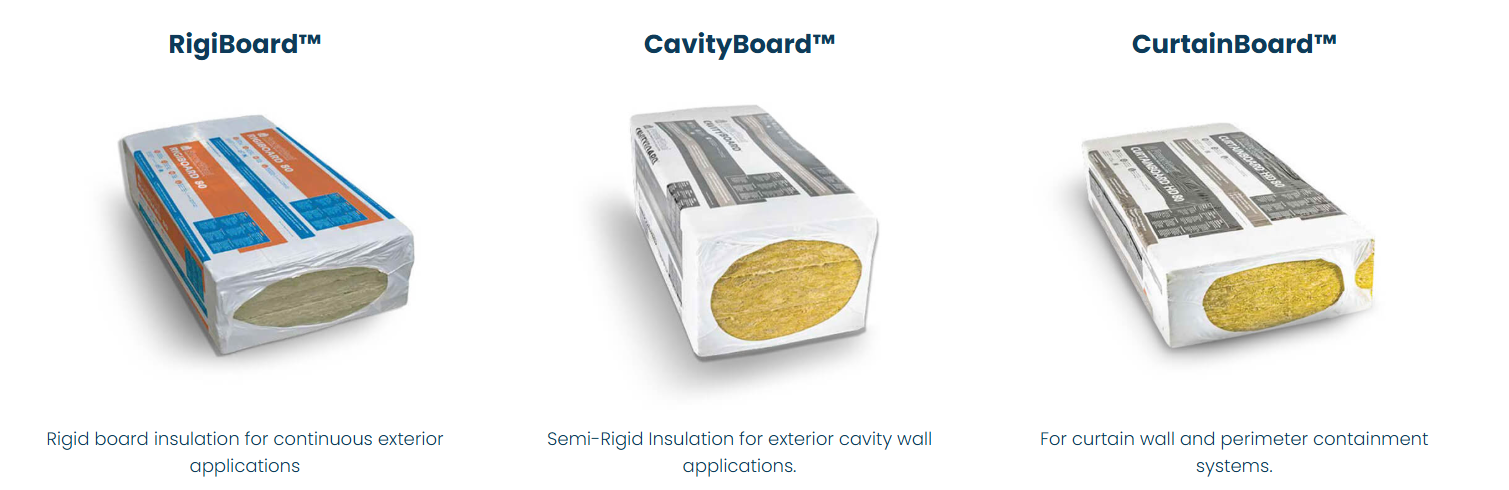
- Exterior continuous insulation systems
- Cavity wall assemblies
- Curtain walls and perimeter fire containment
- Roofing systems
- Below-grade and foundation applications
Because it maintains its structure and performance over time, it’s particularly valuable in projects that demand longevity and resilience.
The Future of High-Performance Insulation
The shift toward better building materials is clear: insulation needs to do more than just insulate. It must contribute to safety, sustainability, and durability.
Power wool insulation represents that next step; combining the natural advantages of mineral wool with engineered strength and modern building science.
For builders and designers looking to create structures that last longer, perform better, and meet today’s rigorous standards, power wool isn’t just an option but it’s a smart investment in the future of construction. Contact a Beatty representative to get more information or to place your order today!
In today’s construction landscape, insulation is no longer just about keeping buildings warm in the winter and cool in the summer. Builders, architects, and property owners are now looking for materials that deliver fire safety, durability, moisture control, and long-term performance all in one solution.
That’s where power wool insulation comes in.
What Is Power Wool Insulation?
Power wool insulation is a type of mineral wool insulation, a dense, fiber-based material made from natural stone and recycled industrial content. These materials are melted at high temperatures and spun into fine fibers, creating a structure that traps air and slows heat transfer.
Unlike traditional insulation options, power wool products are engineered into rigid or semi-rigid boards, making them suitable for demanding applications in residential, commercial, and industrial construction.
Built for Performance Beyond Temperature
What sets power wool apart isn’t just insulation? It’s multi-performance capability.
Fire Resistance You Can Rely On
Power wool is non-combustible, meaning it does not contribute to flame spread or smoke development. This makes it a strong choice for assemblies where fire protection is critical.
Moisture Management & Breathability
One of the biggest challenges in building design is trapped moisture. Power wool is vapor permeable, allowing walls to “breathe” and dry out over time. This helps prevent mold, rot, and long-term structural issues.
Strength and Stability
Unlike softer insulation materials, power wool boards offer higher compression strength. This helps maintain flat, consistent wall systems and improves installation quality over time.
Reliable Thermal Performance
With an R-value around R-4 per inch, power wool supports modern energy codes and contributes to more efficient building envelopes.
Why Builders Are Making the Switch
Traditional insulation materials often force trade-offs. Fiberglass may be cost-effective but lacks durability. Foam products can provide air sealing but may raise concerns around fire performance or environmental impact.
Power wool offers a more balanced solution:
- Consistent thermal performance
- Excellent fire resistance
- Long-term durability
- Improved indoor air quality potential
- Compatibility with modern high-performance wall systems
As building codes become stricter and performance expectations rise, materials like power wool are becoming less of a niche and more of a standard.
Where Power Wool Works Best
Power wool insulation is especially effective in applications where performance really matters:
- Exterior continuous insulation systems
- Cavity wall assemblies
- Curtain walls and perimeter fire containment
- Roofing systems
- Below-grade and foundation applications
Because it maintains its structure and performance over time, it’s particularly valuable in projects that demand longevity and resilience.
The Future of High-Performance Insulation
The shift toward better building materials is clear: insulation needs to do more than just insulate. It must contribute to safety, sustainability, and durability.
Power wool insulation represents that next step; combining the natural advantages of mineral wool with engineered strength and modern building science.
For builders and designers looking to create structures that last longer, perform better, and meet today’s rigorous standards, power wool isn’t just an option but it’s a smart investment in the future of construction. Contact a Beatty representative to get more information or to place your order today!